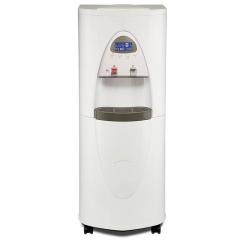
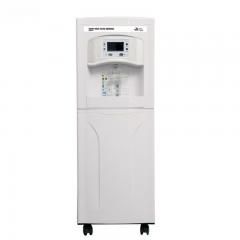
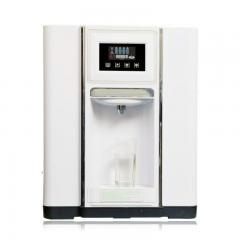
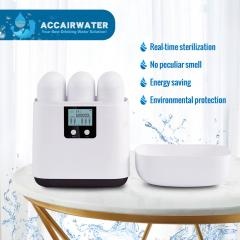
For organizations that consume large amounts of drinking water, an Air Water Generator (AWG) often provides a lower long-term cost, greater sustainability, and improved water independence compared with continuously purchasing bottled water.
While bottled water may seem convenient, recurring delivery costs, plastic waste, and supply chain disruptions make it increasingly expensive over time.
Understanding the Two Options
Bottled Water
Bottled water relies on an external supply chain.
The process includes:
Water sourcing
Bottling
Transportation
Warehousing
Delivery
Plastic disposal
Each stage adds cost and environmental impact.
Atmospheric Water Generator
An AWG produces drinking water directly from atmospheric humidity.
Instead of purchasing water repeatedly, businesses generate water onsite whenever environmental conditions allow.
Cost Comparison
Initial Investment
An AWG requires higher upfront investment than bottled water dispensers.
However, the machine becomes a long-term asset.
Operating Costs
Daily operating expenses mainly include:
Electricity
Filter replacement
Routine maintenance
Compared with continuous bottled water purchases, these costs are often significantly lower over the equipment's service life.
Environmental Impact
Plastic pollution has become a major global issue.
Switching to atmospheric water generation helps reduce:
Single-use plastic bottles
Transportation emissions
Packaging waste
Warehouse storage requirements
For companies pursuing ESG initiatives, installing AWGs demonstrates measurable sustainability efforts.
Water Security
Unexpected events can interrupt bottled water deliveries.
Examples include:
Natural disasters
Traffic disruptions
Supply shortages
Remote construction projects
With an atmospheric water generator operating onsite, organizations gain greater control over their drinking water supply.
Water Quality
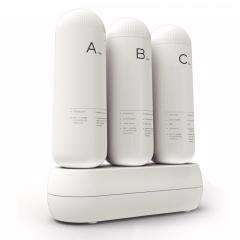
High-quality AWGs continuously purify freshly generated water.
Many systems include:
HEPA air filtration
Activated carbon
UV sterilization
Ozone sterilization
Mineral adjustment
Freshly produced water avoids the long storage periods common with bottled water.
Industries Benefiting from AWGs
Many sectors are adopting atmospheric water generation.
Hotels
Provide premium drinking water while supporting sustainability goals.
Manufacturing
Reduce bottled water costs for employees.
Education
Supply clean drinking water on campus.
Healthcare
Improve water availability in hospitals and clinics.
Government Projects
Support water resilience in public facilities.
Military & Emergency Operations
Provide independent drinking water in remote environments.
Questions Buyers Should Ask Before Purchasing
Instead of focusing only on price, buyers should evaluate:
Daily water demand
Local humidity levels
Energy consumption
Water purification technology
Product certifications
Maintenance schedule
Manufacturer support
Warranty coverage
OEM/ODM capability
A reliable manufacturer should provide technical guidance based on the customer's environment rather than recommending a one-size-fits-all model.
Why Choosing the Right Manufacturer Matters
The quality of an atmospheric water generator depends not only on its hardware but also on engineering expertise and after-sales support.
An experienced manufacturer can offer:
Customized capacity options
International certifications
Technical documentation
Installation guidance
Spare parts supply
OEM & private label services
Global logistics support
Long-term cooperation with a trusted supplier reduces operational risk and ensures consistent product performance.
The Future of Sustainable Drinking Water
As global demand for clean drinking water continues to grow, businesses are seeking technologies that reduce dependence on traditional water infrastructure.
Air water making machine is emerging as one of the most practical solutions because it combines water independence, environmental responsibility, and operational efficiency.
For companies looking to reduce costs while supporting sustainability goals, investing in an air water generator is no longer simply an environmental choice—it is a strategic business decision.




 خدمة الإنترنت
 sale@accairwater.com
 +86 18559227773
 العربية
  English
 français
 Deutsch
 русский
 español
 português
 Melayu
 ไทย
ไทย Filipino